
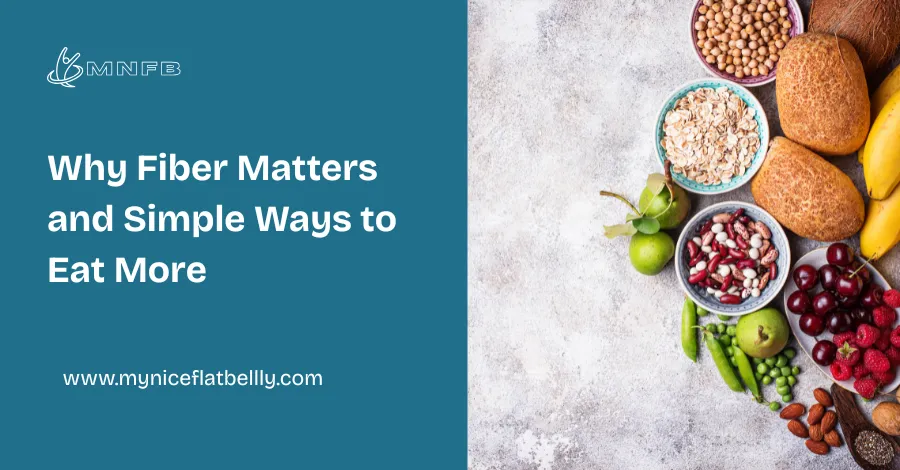
The short answer: UK government guidelines say adults should eat 30g of fiber a day, and the NHS says most adults eat less. Fiber is linked to a lower risk of heart disease, stroke, type 2 diabetes and bowel cancer, and it helps digestion. You can raise your intake with simple swaps, as long as you add it gradually.
Table of Contents
What fiber does
The NHS says choosing foods with fibre can help with your digestion and prevent constipation.
MedlinePlus, part of the US National Institutes of Health, says dietary fiber adds bulk to your diet and makes you feel full faster, and that it supports digestion and helps prevent constipation. It adds that you may see fiber listed on a food label as soluble or insoluble, and that both types have important health benefits.
What the NHS says about fiber benefits
The NHS, which spells it “fibre”, says government guidelines recommend that adults increase their dietary fibre to 30g a day, and that adults currently average roughly 20g a day.
It links eating enough fibre with a lower risk of heart disease, stroke, type 2 diabetes and bowel cancer.
What 30g looks like in practice
Thirty grams is about 10g more than adults currently average, so small changes across the day add up faster than one “healthy” meal. The NHS gives one example: 2 slices of wholemeal toast with peanut butter, followed by a medium-size orange, should give you around 8.3g of fibre.
An ordinary day using the NHS suggestions might include:
- a higher-fiber breakfast cereal, such as plain wholewheat biscuits
- a bean, lentil or chickpea dish at one meal
- wholemeal or granary bread instead of white bread at one meal
- fresh fruit, vegetable sticks, or unsalted nuts or seeds as snacks
This list is an illustration, not a plan that adds up to exactly 30g. Amounts vary by product, so check nutrition labels and compare.
What counts as high in fiber
The NHS describes a food as high in fiber when it has 6g or more of fiber in every 100g. Check the nutrition label to compare products.
Simple ways to eat more fiber
These ideas come from the NHS page on getting more fiber into your diet:
- Choose a higher-fiber breakfast cereal, such as plain wholewheat biscuits.
- Go for wholemeal or granary bread, or higher-fiber white bread.
- Add pulses such as beans, lentils or chickpeas to stews, curries and salads.
- For snacks, try fresh fruit, vegetable sticks, rye crackers, oatcakes, or unsalted nuts or seeds.
The NHS also notes that dried fruit is sticky and can increase the risk of tooth decay, so it is best eaten with a meal and not as a snack between meals.
Add fiber slowly. MedlinePlus advises adding fiber to your diet slowly, and warns that raising your intake too quickly can cause gas, bloating and cramps.
What to realistically expect
Changing your habits takes time. Start with one or two swaps that fit what you already eat, and add more once those feel normal. Going gradually is also what MedlinePlus advises. If you have a digestive condition, or you are unsure what is right for you, ask a healthcare professional or a dietitian before making big changes.
Try this week
- Pick one meal where you can add pulses, such as beans or lentils.
- Swap one refined product for a wholemeal or higher-fiber version.
- Keep fruit or vegetable sticks within reach for snacks.
More guides are coming in our Eat & Nourish section. In the meantime, you can explore our free tools.
Frequently asked questions
How much fiber do I need a day?
UK government guidelines, as reported by the NHS, say adults should eat 30g of fiber a day. The NHS says adults currently average roughly 20g.
Which foods are high in fiber?
The NHS describes a food as high in fiber when it has 6g or more of fiber per 100g. Its suggestions include higher-fiber cereals, wholemeal or granary bread, pulses such as beans, lentils and chickpeas, fresh fruit, vegetable sticks, rye crackers, oatcakes and unsalted nuts or seeds.
Does fiber help digestion?
Yes, according to the NHS, which says choosing foods with fibre can help your digestion and prevent constipation. MedlinePlus says fiber adds bulk to your diet and supports digestion.
Does eating more fiber reduce belly fat?
Neither the NHS nor MedlinePlus says that fiber targets belly fat, so we do not make that claim. MedlinePlus says fiber makes you feel full faster, helping you control your weight, and the NHS links enough fiber with a lower risk of heart disease, stroke, type 2 diabetes and bowel cancer. Fiber is one part of an overall way of eating, not a shortcut.
Should I increase my fiber all at once?
No. MedlinePlus advises adding fiber to your diet slowly, because raising your intake too quickly can cause gas, bloating and cramps. If you have a digestive condition, ask a healthcare professional first.
Sources
You may also be interested in:
Here are tools you may try for free:
This article is general education, not medical advice. Read our disclaimer and editorial policy.
Pingback: Does Walking Reduce Belly Fat? What the Guidelines Say
Pingback: What Is Waist-to-Height Ratio?
Pingback: 7 Habits Of Healthy Living - My Nice Flat Belly