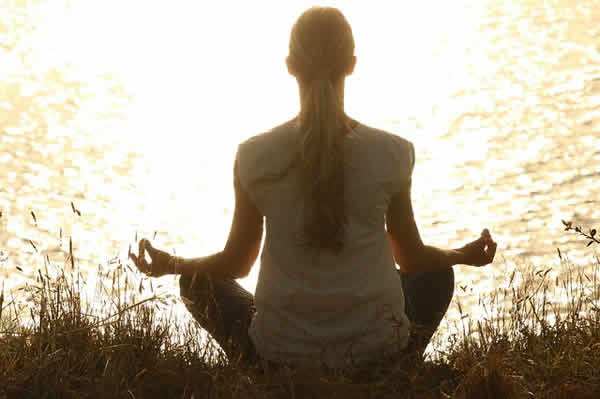
Meditation and weight loss
Many studies have indirectly proved that meditation and weight loss are closely tied. It is true that you have to watch your diet and exercise regularly to lose weight. But sometimes this does not work unless you have a balanced emotional life. Emotional eating, for instance, can have a negative effect on your health. When one turns to food for comfort, not because one is hungry, this causes the fat to accumulate. Stress is another negative factor that has a detrimental effect on your shape. Meditation can help you manage all that.
What is meditation?
Meditation is a practice where a person achieves a mentally clear and emotionally calm and stable state through mindfulness or through focussing the mind on a certain object, thought or activity.
How meditation helps you lose weight?
Meditation enhances overall health and well-being:
- It can lower blood pressure.
- It contributes to improving psychological balance.
- It helps in coping with illness.
- It helps with stress management.
- It boosts anxiety control.
- It promotes emotional health.
- It helps you become more self-awareness.
- It improves sleep.
In addition to the above positive effects, it has been proved that meditation has positive effects on the way we eat. It helps you become more conscious of what you are thinking of and of what you are doing. Through meditation one becomes more aware of the quality, taste, and quantity of the food. It also assists you in getting rid of emotional eating – that is, the attempts you make to comfort yourself with food. This indirectly leads to weight loss, health, and well-being.
In short, when an individual is aware of what, why, when, and how they are eating, they will probably not put on weight because of emotional factors.
Weight loss benefits of meditation
In a nutshell, if you practice meditation:
- You will not eat more than when you’re feeling stressed or anxious.
- You will not eat unless you are hungry.
- You will not continue eating if you’re full.
- You will not have to eat so that you can feel better.
- Food will not have control over your life.
How to meditate?
You can start practicing meditation anywhere at any time you choose. For example, start with 5 minutes of meditation in the morning and 5 minutes in the evening before you go to bed. Here is a simple procedure:
- First, find a comfortable position.
- Close your eyes.
- Breathe naturally.
- Focus the attention on the breath.
- Notice the reactions of your body to every inhalation and exhalation.
- Be mindful of what is around you at the present moment.